The History of Computers: From Abacus to Quantum Computers
The computer is one of the greatest inventions in human history. Today, we use computers almost every day for work, learning, communication, shopping, watching videos, playing games, and solving problems. They have changed nearly every aspect of modern life. However, the powerful computers we use now are the result of thousands of years of innovation and continuous improvement.
The journey of computers began long before electricity was available. Early civilizations used simple counting tools to solve math problems. Over time, inventors developed mechanical calculators, programmable machines, electronic computers, and eventually the compact devices we now carry in our pockets.
Understanding the history of computers helps us appreciate how technology has evolved and why modern computers function the way they do. Every generation of computers has built on the discoveries of earlier inventors, leading to faster, smaller, and more powerful machines.
In this article, we will explore the full history of computers, from the ancient abacus to the birth of electronic computers and beyond.
What Does the Word "Computer" Mean?
Many people think the word computer has always meant an electronic machine. Surprisingly, that is not correct.
Originally, a computer was a person whose job was to do mathematical calculations by hand. Before electronic machines were created, governments, scientists, banks, and astronomers hired skilled individuals to calculate large numbers accurately. These human computers often spent hours solving math problems using paper, pencils, and math tables.
As calculating machines improved during the nineteenth and twentieth centuries, the meaning of the word slowly changed. Eventually, it came to mean machines instead of people.
This change represents one of the biggest technological shifts in human history.
The Abacus: The First Step toward Computing
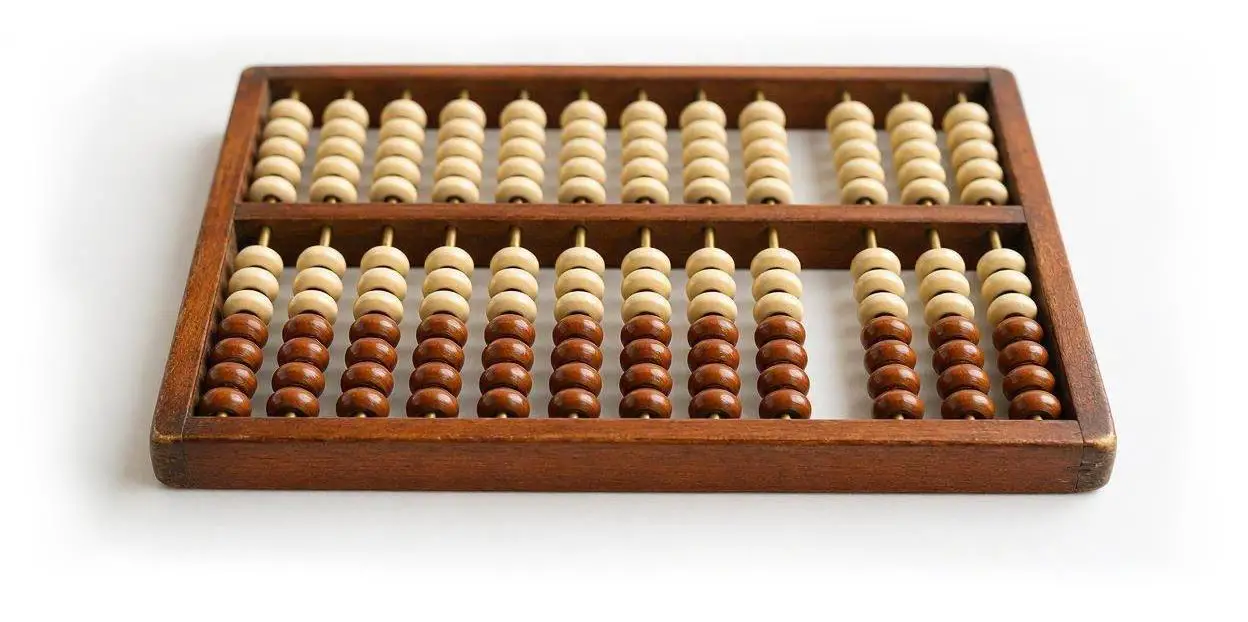
The history of computing starts with one of humanity's oldest mathematical tools, the abacus.
Created more than 2,000 years ago, the abacus is one of the earliest devices designed to help people do calculations. Although historians believe different versions appeared in several ancient civilizations, they all operated on the same basic idea: moving beads along rods to represent numbers.
The abacus helps people to perform addition, subtraction, multiplication, and division.
For merchants, traders, and government officials, the abacus made calculations much faster and more accurate than relying on mental math alone.
Unlike modern computers, the abacus could not store information or run programs. However, it introduced the idea that tools could help humans with calculations, making it an important milestone in the history of computing.
Invention of Mechanical Calculators that changed Mathematics
As science and trade grew during the seventeenth century, the need for faster and more accurate calculations also rose.
Blaise Pascal and the Pascaline (1642)
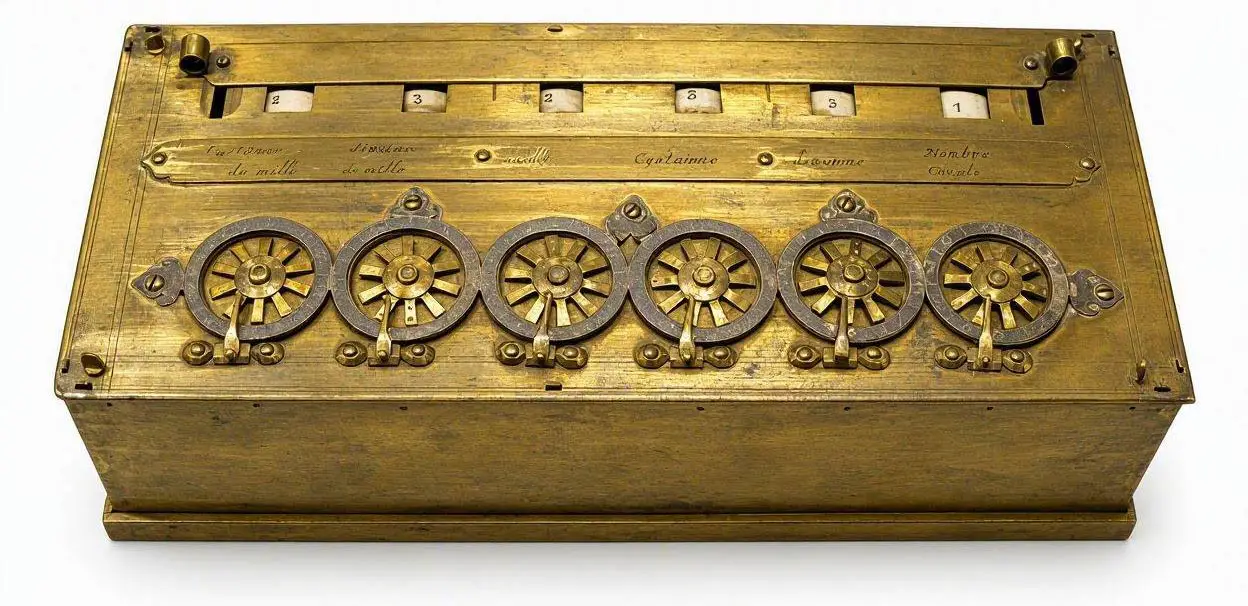
In 1642, French mathematician Blaise Pascal invented the Pascaline, one of the first successful mechanical calculating machines.
The Pascaline used gears and rotating wheels to handle addition and subtraction automatically. While it was costly to build and hard to manufacture, it showed that machines could take over many manual calculations.
Pascal's invention motivated future inventors to create better mechanical computing devices.
Gottfried Wilhelm Leibniz and the Stepped Reckoner (1673)
Several decades later, German mathematician Gottfried Wilhelm Leibniz built on Pascal's ideas.
In 1673, he developed the Stepped Reckoner, a more advanced mechanical calculator that could perform basic mathematical calculations like addition, subtraction, multiplication, and division.
This was a significant improvement, as multiplication and division were much more complex tasks.
Leibniz believed that machines could eventually carry out logical reasoning in addition to math. Although this idea seemed far-fetched at the time, it later became a foundation of computer science.
Charles Babbage: The Father of the Computer
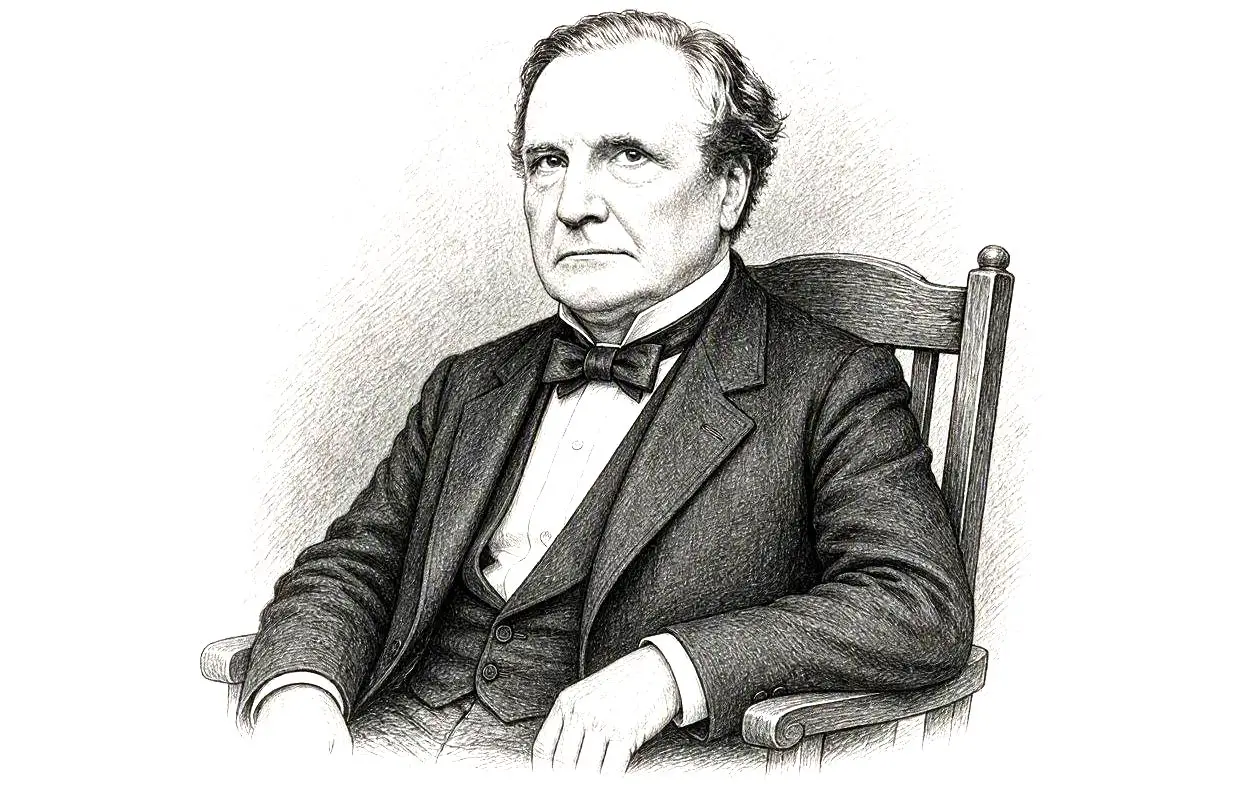
No discussion about the history of computers is complete without Charles Babbage.
In the 1830s, Babbage designed an extraordinary machine called the Analytical Engine. Although it was never fully built due to financial and engineering challenges, its design was strikingly similar to modern computers.
The Analytical Engine had several groundbreaking ideas, for example: a processing unit to perform calculations, a memory section to store data, input and output devices and conditional decision-making capability.
These features closely resemble the CPU, memory, storage, and software used in today's computers.
Because of this innovative design, Charles Babbage is often called the Father of the Computer.
His vision was decades ahead of the technology of his time.
Ada Lovelace, World's First Computer Programmer
Another notable thinker, Ada Lovelace, was inspired by Charles Babbage's work.
Ada carefully studied the Analytical Engine and realized that it could do more than solve mathematical equations.
She provided detailed instructions on how the machine could compute Bernoulli numbers. These instructions are now considered to be the first published computer algorithm.
This is why Ada Lovelace is frequently called the first computer programmer in the world.
More impressive was her belief that computers would one day compose music, handle symbols, and solve problems that were not just mathematical.
Herman Hollerith and the Age of Punched Cards
By the late nineteenth century, governments needed quicker ways of processing increasing amounts of information.
The 1890 United States Census suffered a serious setback. Counting millions of people by hand would take years.
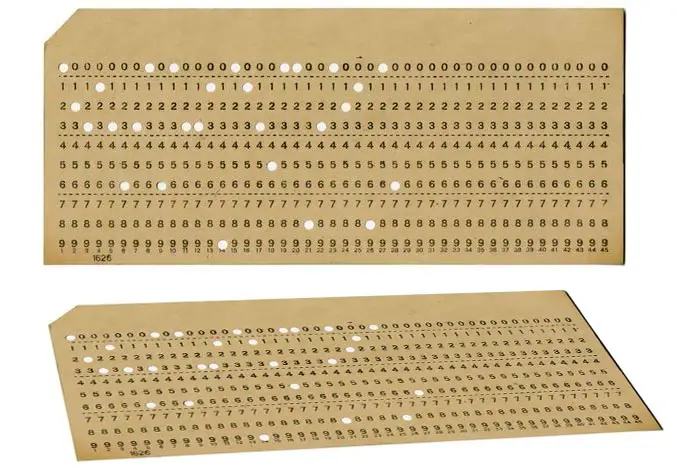
The solution was provided by the American inventor Herman Hollerith, who used punched cards.
Every punched hole was information that could be read by machines.
This innovation reduced the time needed to analyze census data by leaps and bounds.
Soon punched cards became one of the most important ways of storing and processing information. For many decades they were adopted by businesses, universities, and governments everywhere in the world.
Hollerith's company later became part of IBM, which would grow into one of the most influential tech companies in history.
Computers in World War II
The Second World War accelerated the development of computer technology.
Military leaders needed machines that could quickly solve difficult math problems. These calculations were important in cryptography, engineering, navigation, and ballistics.
British engineers developed one of the most important wartime computers, Colossus. It was one of the first electronic programmable digital computers in the world. Its main purpose was to help break encrypted German military communications.
The project was classified for many years, but today, historians regard Colossus as one of the most important achievements in the early history of computers.
It proved that electronic machines could solve difficult problems much faster than a human.
The First versatile Electronic Computer, ENIAC
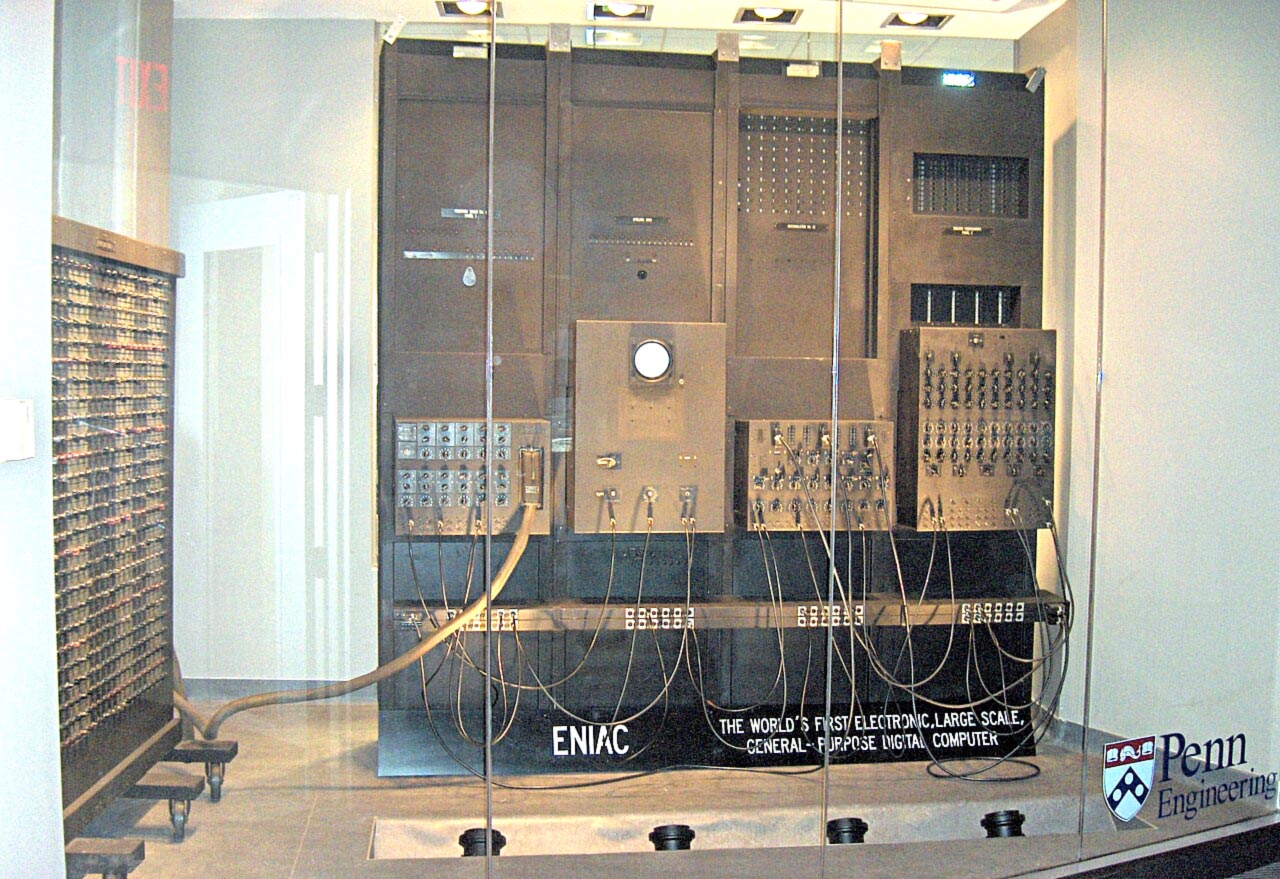
Image source: wikipedia
One of the biggest events for the development of computers happened in 1945 with the first ever general-purpose electronic computer called ENIAC (Electronic Numerical Integrator and Computer).
ENIAC was unlike anything before it because it could be used for a variety of calculations.
Here are some facts of ENIAC:
- It took up an entire room and weighed approximately 30 tons.
- It contained nearly 18,000 vacuum tubes.
- ENIAC used thousands of switches, cables, and electrical connections.
- It consumed a massive amount of electricity.
The vacuum tubes of ENIAC produced a huge amount of heat; therefore, air conditioning was required to keep it at a stable temperature.
ENIAC was the dawn of the modern computer era. It was able to carry out calculations thousands of times faster than done manually.
Even though ENIAC was a giant computer by today's standards, it really wasn't that big when looking at what it could do.
Why were computers so large then?
Most people wonder why, when the first computer was as big as a school bus? Why was it that big?
The reason is that they had to use old technology like vacuum tubes. They were big and heavy. Also, they were extremely fragile, costly, required lots of power, and produced lots of heat. And thousands of these tubes were required to build a basic computer. That's why they are big, expensive, and need regular maintenance.
The Transistor Revolution of 1947
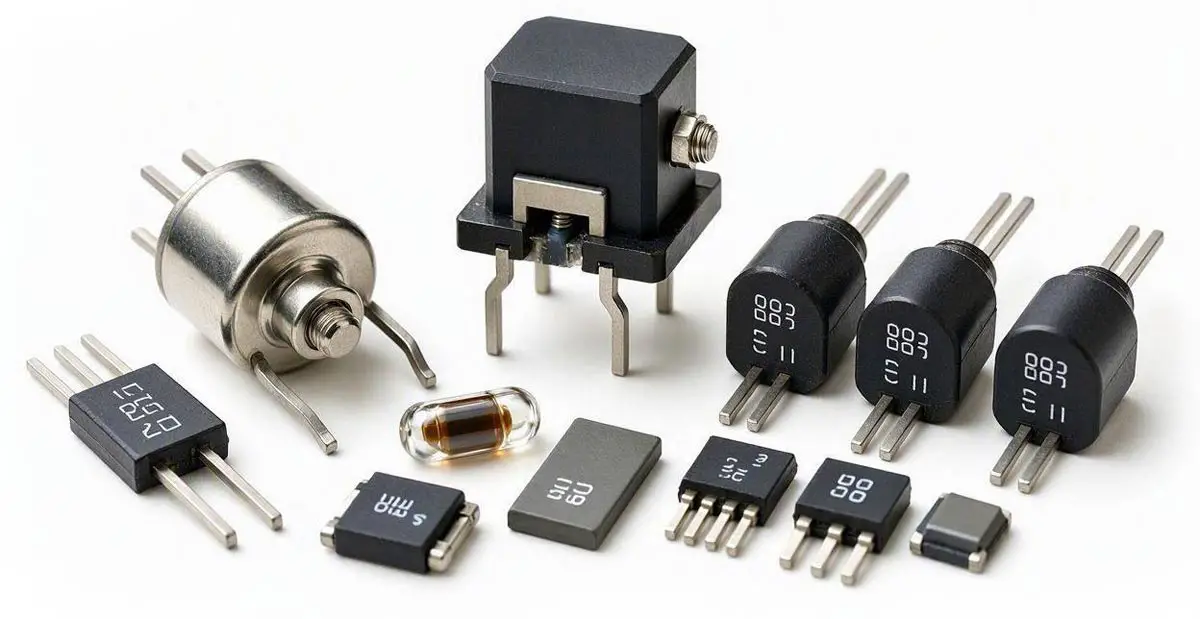
One of the biggest breakthroughs in computer history came in 1947 with the invention of the transistor. Before transistors, computers used vacuum tubes to process data. Although electronic computation using vacuum tubes was possible, they had several major disadvantages:
- They were large
- Consumed a lot of electricity
- Produce too much heat
- Frequently stopped working.
Scientists are looking for a better solution. The invention of the transistor changed computer technology completely. A transistor could do the same electronic switching tasks as a vacuum tube, but it was much smaller, more reliable, and used less power.
How Transistors Changed Everything?
The impact of transistors was huge. They changed computers in many ways. They made computers smaller in size and faster at processing data; more reliable, cost-effective, and consumed less energy and produced less heat.
Because of these benefits, computers gradually moved out of specialized research labs and became practical for businesses, universities, and government agencies.
The First Hard Disk Drive (1956)
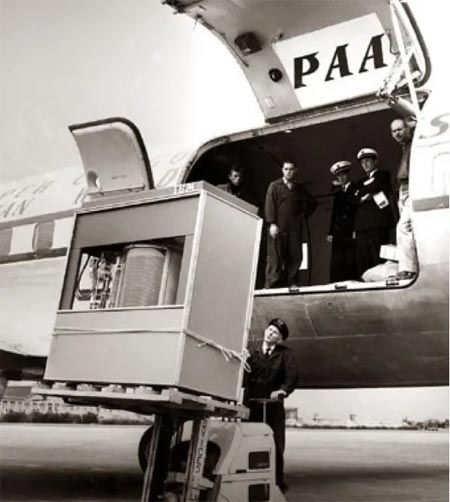
As computers became more useful, they needed better ways to store information. In 1956, IBM launched the world's first commercially available hard disk drive (HDD). Although the drive could store nearly 5 megabytes (MB) of data, this was a great achievement then.
The first IBM hard drive weighed over one ton and took up a large cabinet.
Though its storage capacity was very little by today's standards, it represented a big step forward because data could now be stored electronically and reused without punched cards.
Modern hard drives and solid-state drives (SSDs) can store millions of times more information while fitting inside a laptop.
A New Era with Integrated Circuits (1958)
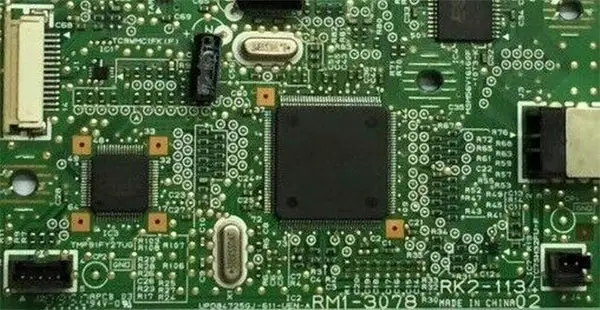
The next major breakthrough came just two years later. In 1958, engineer Jack Kilby successfully demonstrated the first practical integrated circuit (IC). Before integrated circuits, computers had thousands of separate electronic components connected by different wires. This made machines large, expensive, and hard to assemble.
Integrated circuits solved this issue by placing multiple electronic components onto a single piece of semiconductor board. This innovation made computers smaller, reducing both their power consumption and manufacturing cost.
Today, every computer processor, smartphone, tablet, and smart device relies on integrated circuit technology.
From Punched Cards to Computer Keyboards
For many years, users entered information into computers using punched cards. Although punched cards worked well, they had several limitations.
If a card had a mistake, it often had to be recreated from scratch. Large computer systems also needed thousands of cards for even a simple program.
In the early 1960s, keyboards gradually replaced punched cards as the main way to enter data. Keyboards made computers much easier to use, as users could type information directly into the machine.
This change improved data entry speed, reduced errors, and made programming much easier. Even today, despite the popularity of touchscreens and voice input, the keyboard remains one of the most important input devices.
Moore's Law of Computer Growth
In 1965, American engineer Gordon Moore's observation became famous in the tech industry. He predicted that the number of transistors that could fit on a computer chip would approximately double every two years.
This prediction is known as Moore's Law.
For several decades, Moore's Law accurately described the rapid pace of technological progress. As more transistors fit into each chip, computers became faster, more advanced, and smaller in size; and most importantly, prices gradually decreased.
Though the pace has slowed in recent years due to physical manufacturing limits, Moore's Law influenced computer development for over fifty years.
The Invention of the Computer Mouse
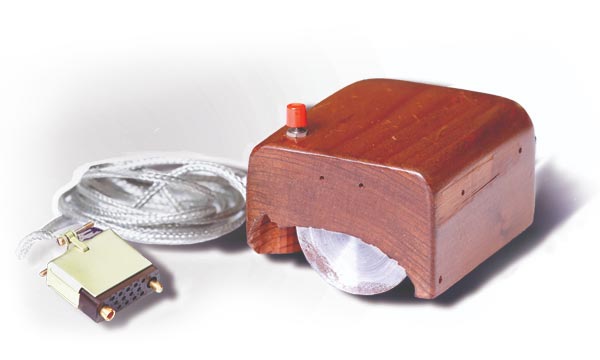
Image source: wikipedia
Typing commands was the only way to control a computer. That changed in the year 1960s when engineer Douglas Engelbart invented the first computer mouse.
The original mouse was made of wood and had two wheels underneath to detect movement.
In 1968, Engelbart publicly demonstrated the mouse along with several computer technologies in a presentation often called "The Mother of All Demos."
Although many people were initially unsure about the device, the mouse eventually became one of the most usable computer accessories in the world.
The Rise of Personal Computers
Before the 1970s, computers were typically owned by governments, universities, and large companies. They were expensive, needed trained operators, and took up large rooms. Everything changed during the 1970s.
Advancements in electronic components allowed manufacturers build smaller computers that individuals could own. These small machines became known as personal computers, or PCs.
Personal computers opened new opportunities for students, teachers, small businesses, engineers, writers, programmers, and other professionals.
Apple I: A New Beginning (1976)
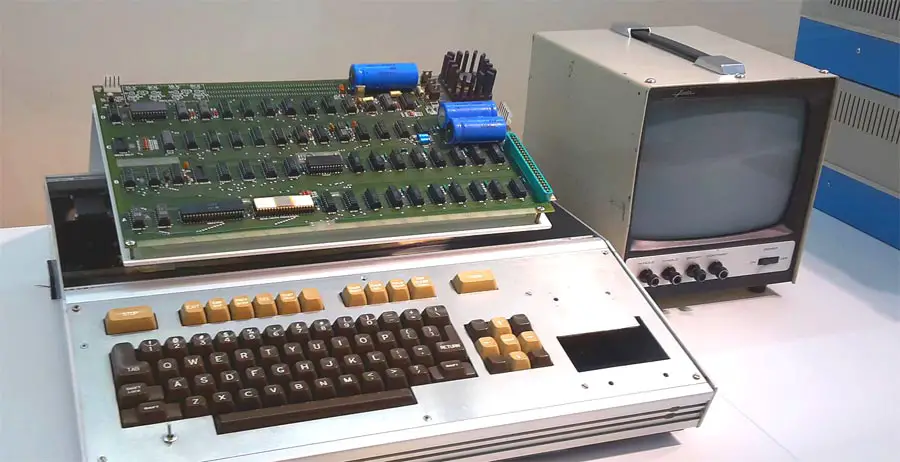
Image source: wikipedia
With the launch of Apple-1 in 1976, a key milestone was reached in personal computing. Apple-I, designed by Steve Wozniak and marketed by Steve Jobs, was one of the first personal computers sold as a fully assembled circuit board.
Unlike many computer kits available at the time, customers did not need to solder all of the electronic components themselves. They just needed to add a keyboard, monitor, and power supply. That's how Apple-I made personal computing more accessible.
IBM PC Changed the Computer Industry (1981)
Another major milestone was reached in 1981 when IBM introduced the IBM Personal Computer (IBM PC). The IBM PC quickly became popular among businesses and home users because it was reliable, expandable, and supported by a growing software ecosystem.
Many manufacturers began making compatible hardware and software, creating what became known as the PC platform.
Even today, most desktop computers follow design principles set by the original IBM PC. Its influence can still be seen in modern Windows-based computers around the globe.
Graphical User Interfaces (GUI) Made Computers Easier
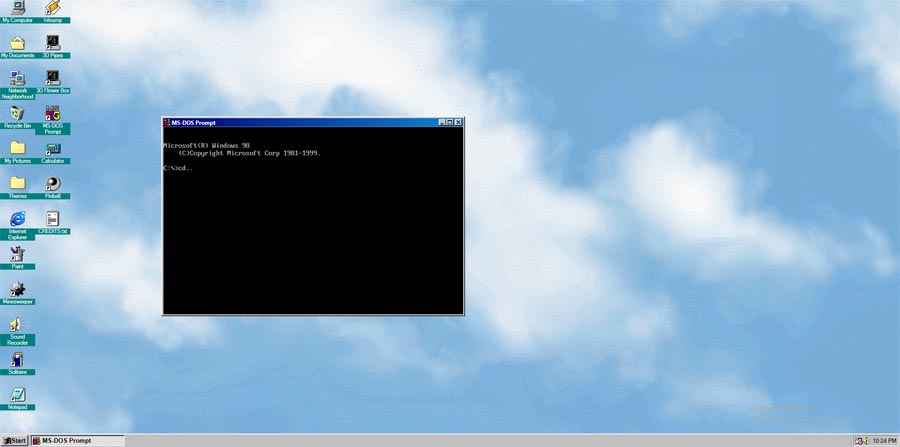
Early computers required users to type text commands for almost every operation. This approach could be tough for beginners.
During the 1980s, the Graphical User Interface (GUI) became more popular. Instead of memorizing commands, users could interact with windows, icons, menus, and buttons.
The combination of the GUI and the computer mouse made computers much easier to learn. As a result, millions of people with little technical experience began using computers at home, in schools, and in offices.
Modern operating systems such as Windows, macOS, and many Linux desktop environments continue to use GUI concepts developed during this time.
Growing popularity of Laptops
A major breakthrough happened during the late 1980s and early 1990s, as processors became smaller and energy-efficient and batteries improved. These advancements allows manufacturers to develop practical, portable laptop computers for everyday use.
Unlike desktops, laptops combined the display, keyboard, storage, and battery into one portable device. This allowed people to work while traveling, carry important files, and access computing without being tied to a desk.
Laptops quickly became popular among students, business professionals, and travelers. Today, millions of people use laptops every day for education, remote work, entertainment, and communication.
The World Wide Web Changed Computing Forever
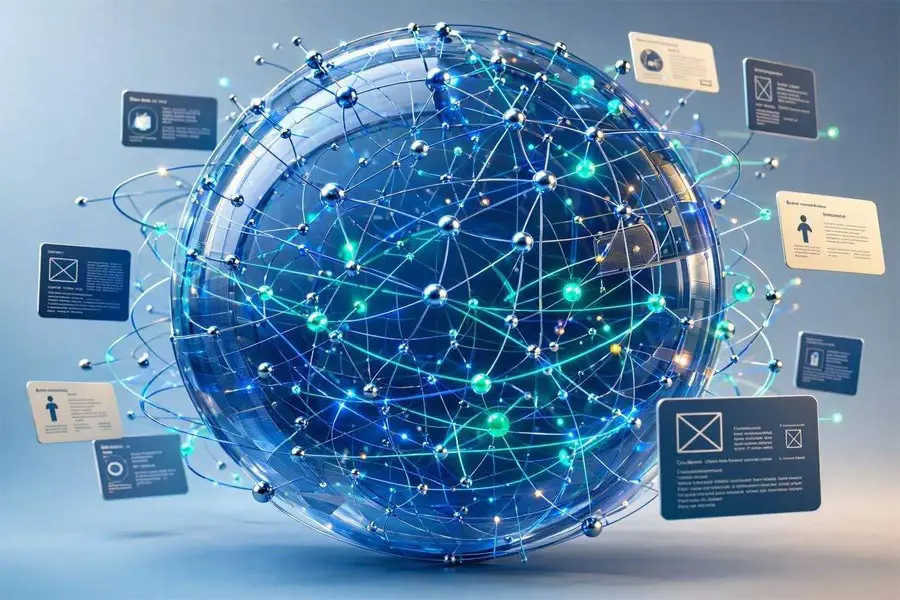
One of the most significant events in computer history happened in 1989, when British computer scientist Tim Berners-Lee invented the World Wide Web.
Before the web, computers could communicate through networks, but finding and sharing information was often hard. The World Wide Web made it easier to connect documents using hyperlinks and web browsers. This innovation made computers into powerful tools for communication.
People could now browse websites, read online news, send emails, and share information globally. The internet quickly changed education, business, entertainment, science, and daily life. Today, it's hard to imagine modern computing without the World Wide Web (WWW).
The Modern Computer Era
At the beginning of the 21st century, computer history took a significant turn. Computers got faster, more powerful, and cheaper than ever. The internet also became widely accessible, letting people connect with others in seconds.
Unlike the large, costly machines of the past, modern computers are small enough to fit on a desk, in a backpack, or even in a pocket.
From students completing assignments to engineers designing spacecraft, computers have become a vital part of everyday life.
Broadband Internet Changed Everything
While the internet existed before the 2000s, it became much more effective with the arrival of broadband internet. Broadband provided significantly faster speeds and constant connectivity compared to older dial-up connections.
By the early 2000s, broadband allowed people to stream music and movies, watch online videos, download large files quickly, and play online games.
Broadband turned computers from independent devices into connected tools that could communicate worldwide.
Cloud Computing
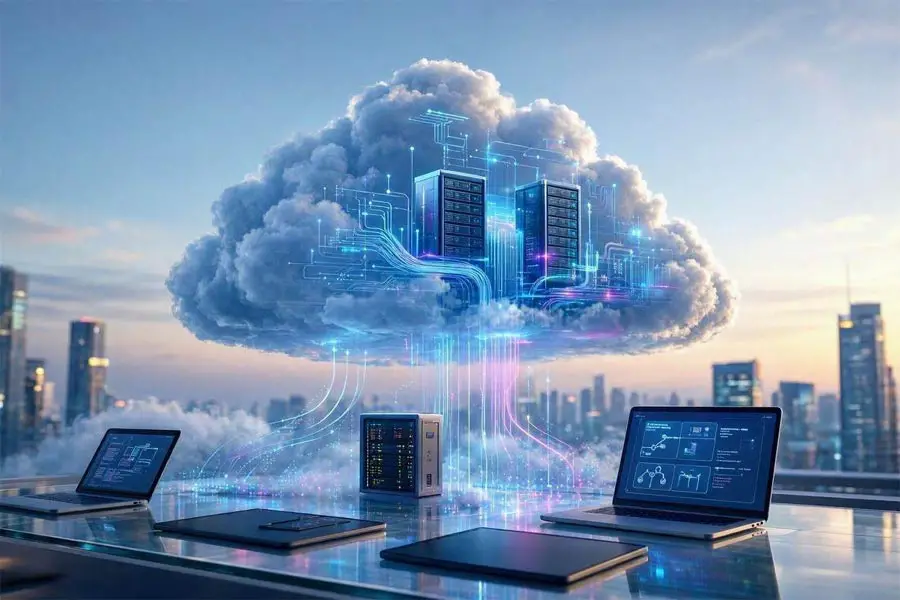
One of the most significant shifts in modern computing is the rise of cloud computing.
Do you remember floppy disks, CDs, or DVDs? Do you remember flash drives? We have all used these storage devices at least once. After the development of cloud computing, we can now store our documents, photos, videos, and software on remote servers and access them from anywhere in the world at any time.
Online services like email, online document editors, and file storage platforms depend on cloud computing. Many businesses now prefer cloud technology over maintaining expensive computer servers in their offices.
Computers Become Smaller Every Year
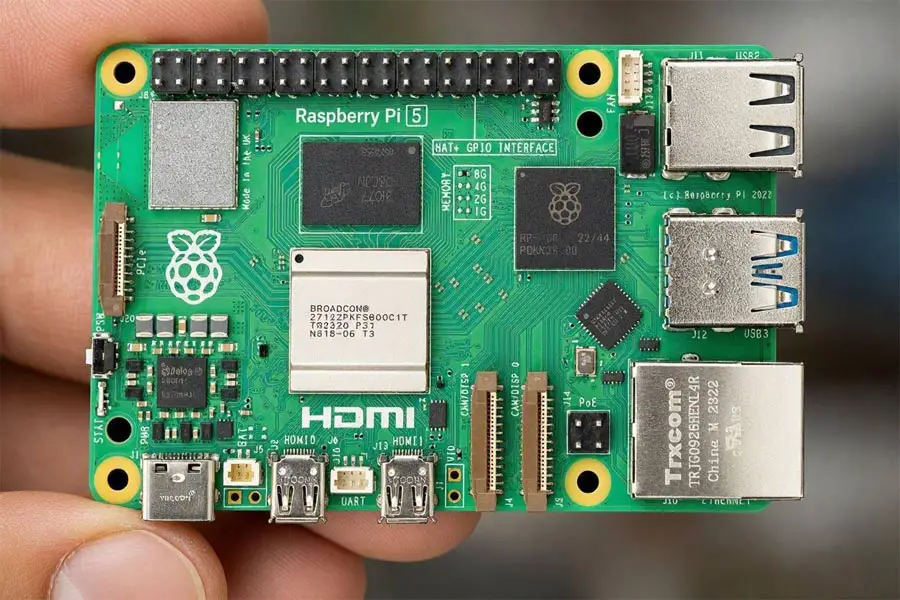
A notable trend in computer history is shrinking their size. Early computers took up entire rooms, but today's devices fit in a pocket. The processing power of a smartphone is thousand times greater than the early computers like ENIAC.
Many everyday appliances now include small computers that carry out complex tasks without users even noticing. For example, your car has many small systems that collectively make your driving experience better and safer.
Artificial Intelligence and Modern Computers
Artificial Intelligence (AI) is now one of the fastest-growing areas in computer technology. AI systems can analyze information, recognize patterns, and help with decision-making, rather than just following fixed instructions.
Today, AI is being used for voice assistants, language translation, medical diagnosis, fraud detection, customer support, and in many other tasks.
As computer hardware gains more power, AI applications keep improving and becoming part of our daily life.
What Does the Future of Computers Look Like?
Computer technology evolves rapidly. Researchers worldwide are exploring new technologies that could change computing again.
Some key areas for future development include:
Quantum Computing
Quantum computers use principles of quantum physics to solve certain problems much faster than traditional computers.
Though still in the early stages, quantum computing could transform fields like medicine, engineering, and scientific research.
Artificial Intelligence
Future computers are expected to become even better at understanding language, recognizing images, and tackling complex problems.
AI will likely have a larger role in healthcare, education, transportation, and business.
Timeline of Computer History
Here's a quick overview of some of the important milestones in the history of computers.
The history of computers is a great story of human creativity, innovation, and determination. Many events, ideas, and technologies have contributed to the development of the modern digital world we are familiar with today.
Various technologies and ideas have played a pivotal role in developing modern computer technologies. For instance, mechanical calculators helps us perform arithmetic calculations long before modern inventions. Designing the first programmable computer was an ambitious idea by Charles Babbage, which Ada Lovelace expanded by developing the first computer algorithm. Electronic computers such as ENIAC were made possible due to the creation of vacuum tubes and later transistors and integrated circuits.
Today, the development of such interesting and promising tech as cloud computing and artificial intelligence makes scientists and programmers think about the future possibilities of computer technologies. The history of the development of computer technologies makes one realize their importance in human life and the prospects of their further development.
Share Your Comment